Privacy isn’t just a personal preference for the world’s richest—it’s become a visible status symbol. Increasingly, billionaires are buying up clusters of high-end properties within exclusive enclaves. They’re creating private compounds that not only serve their own needs but also significantly raise property values for their neighbors.
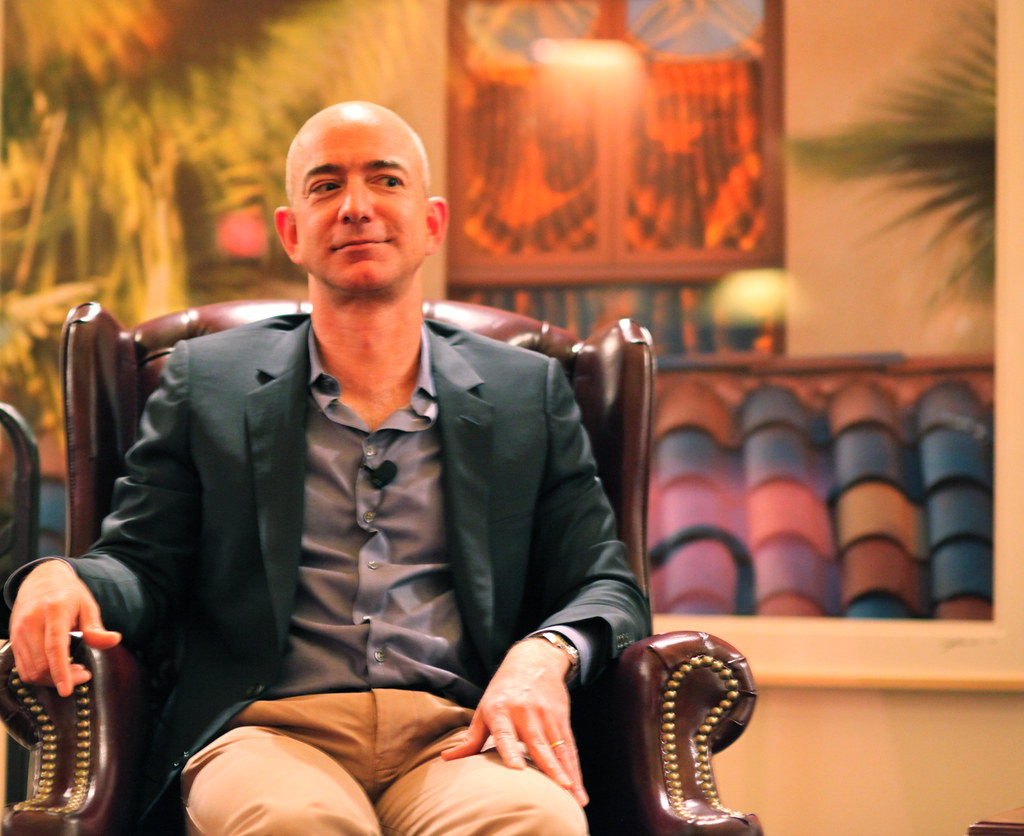
Jeff Bezos, for example, has spent over $200 million on three properties in Indian Creek, Florida. His investment has driven neighboring lots to demand prices as high as $200 million. That kind of spending sharpens demand in ultra-luxury real estate markets—often pricing out everyone else. Meanwhile, Taylor Swift has spent nearly $50 million converting several Tribeca properties into a private compound. While already a high-value area, her purchases reinforce exclusivity and represent a lifestyle carefully crafted around privacy.
And then there’s Mark Zuckerberg. He’s building a sprawling 1,400-acre compound in Kauai, Hawaii, complete with a 5,000-square-foot underground shelter. He’s also acquired 11 properties in Palo Alto. These concentrated acquisitions by billionaires highlight a growing trend: privacy and prestige go hand-in-hand with real estate power.
It’s not just about the houses themselves. These compounds create micro-markets where average buyers—and even many ultra-wealthy individuals—get priced out. For local communities, the impact is double-edged: elevated property values, yes—but also reduced affordability and shifting neighborhood dynamics.